How Fault Is Assigned in Multi-Party Injury Claims
Multi-party injury claims can quickly become complicated, especially when more than one party may share responsibility for an accident. Determining fault requires careful analysis of evidence, timelines, and each party’s actions in contributing to the incident. Insurance companies and courts rely on detailed investigations, witness statements, and expert input to fairly assign liability. In complex cases, guidance from a Phoenix personal injury law firm can help clarify how fault is evaluated and how responsibility may be divided among multiple parties. Understanding this process is crucial for protecting your rights and potential compensation. This article explains how fault is assessed in multi-party injury claims and why accurate attribution matters for all involved.
Establishing the Facts and Sequence of Events
The first step in assigning fault is reconstructing what actually happened. Investigators, insurers, or legal teams gather statements, reports, photographs, and any available video footage. The goal is to establish a clear timeline and identify each party’s involvement. In multi-party claims, even small details matter because one action may trigger a chain reaction. For example, one driver’s sudden stop, another’s speed, and a third party’s road obstruction may all contribute. Fault assessment depends heavily on how events unfolded, not just on the final point of impact.
Evaluating Duty of Care and Breach
 Fault is assigned by examining whether each party owed a duty of care and whether that duty was breached. A duty of care means acting in a way that avoids causing foreseeable harm to others. In multi-party claims, parties may have different responsibilities. Drivers must follow traffic laws, employers must maintain safe workplaces, and property owners must address hazards. If multiple parties failed to meet their obligations, fault can be shared. The extent of each breach is weighed to determine each party’s share of responsibility for the resulting injury.
Apportioning Liability Between Parties
Once breaches are identified, liability is apportioned among the parties involved. This means assigning fault percentages to each contributor rather than placing all responsibility on one person. One party may be primarily responsible, while others share partial blame. This apportionment affects how compensation is divided and who ultimately pays damages. In some cases, a claimant may also be found partially at fault, which can reduce the compensation awarded. Apportioning liability ensures outcomes reflect each party’s real contribution rather than oversimplifying complex situations.
Understanding the Role of Evidence and Expert Input

Evidence plays a critical role in multi-party fault decisions. Accident reconstruction experts, medical professionals, and engineers may be consulted to clarify technical issues. Their input helps explain causation, injury mechanisms, or compliance with safety standards. Objective evidence often carries more weight than conflicting personal accounts. The stronger and clearer the evidence, the easier it is to assign fault accurately. Weak or missing evidence can complicate matters, leading to disputes or prolonged negotiations between insurers and legal representatives.
Fault assignment in multi-party injury claims is a layered process that goes beyond surface-level blame. It involves reconstructing events, assessing duties of care, evaluating breaches, and fairly apportioning responsibility. Each party’s actions are examined in context to understand how they contributed to the injury. This careful approach aims to produce balanced, legally sound outcomes. While the process can be time-consuming, it ensures that liability reflects reality rather than assumptions. Understanding this complexity helps set realistic expectations for anyone involved in …


 When searching for the right lawyer, a strong track record can speak volumes. Look into their history of handling burn injury cases specifically. This gives insight into their experience and effectiveness. Check how many cases they’ve won versus those settled. A high success rate is encouraging, but remember that every case is unique. It’s also useful to find out if they have taken any cases to trial and won. Reviews from previous clients add another layer of understanding.
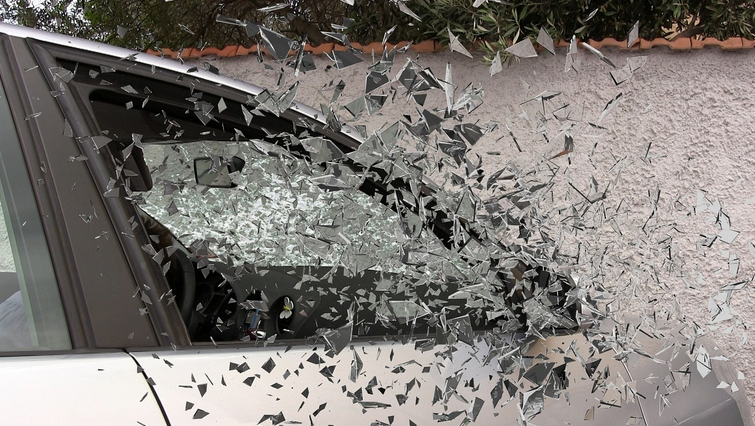

 The most important thing to do after a car accident is to call the authorities. This means immediately calling 911 or your local emergency services, especially if any injuries are involved. When you contact the police, they will assess the situation by taking statements from all parties involved in the accident. They will also create an official report that documents what happened during the incident, which can be useful for insurance purposes down the line. Additionally, having an official record of events can help you should legal action become necessary later on. Having as much information as possible when dealing with legal matters is always better.
 After a car accident, it’s important to document the scene of the incident. This will help you when filing an insurance claim and provide evidence in any legal proceedings that may follow. Start by taking photos and videos of the accident scene. These should include pictures of any